One of a housing community’s more important decisions is how the building will be managed. The manager’s duties can be carried out by one of the owners, or the community can opt for professional management. The choice depends on the size of the building, the workload and the time management requires.
A manager from among the owners
This can work well in smaller buildings where residents know each other and someone is willing to take on the duties. The advantage is good knowledge of the building itself and the problems that come up in it.
Still, documents, finances, problem reports and organizing works take time and continuity. That’s why records shouldn’t depend on one person alone, especially when the manager changes.
A professional manager
Professional management can suit larger buildings or communities where none of the owners wants to take on the role. When choosing, look beyond price at how they work, how they report, their availability in emergencies and what services the fee includes.
Before signing a contract, it’s worth checking:
- How many housing communities the manager runs and how on-site work is organized
- How and how often they report
- How faults and emergencies are reported
- What the fee includes and what costs extra
- How documents and data are kept and handed over when the contract ends
Continuity for the housing community
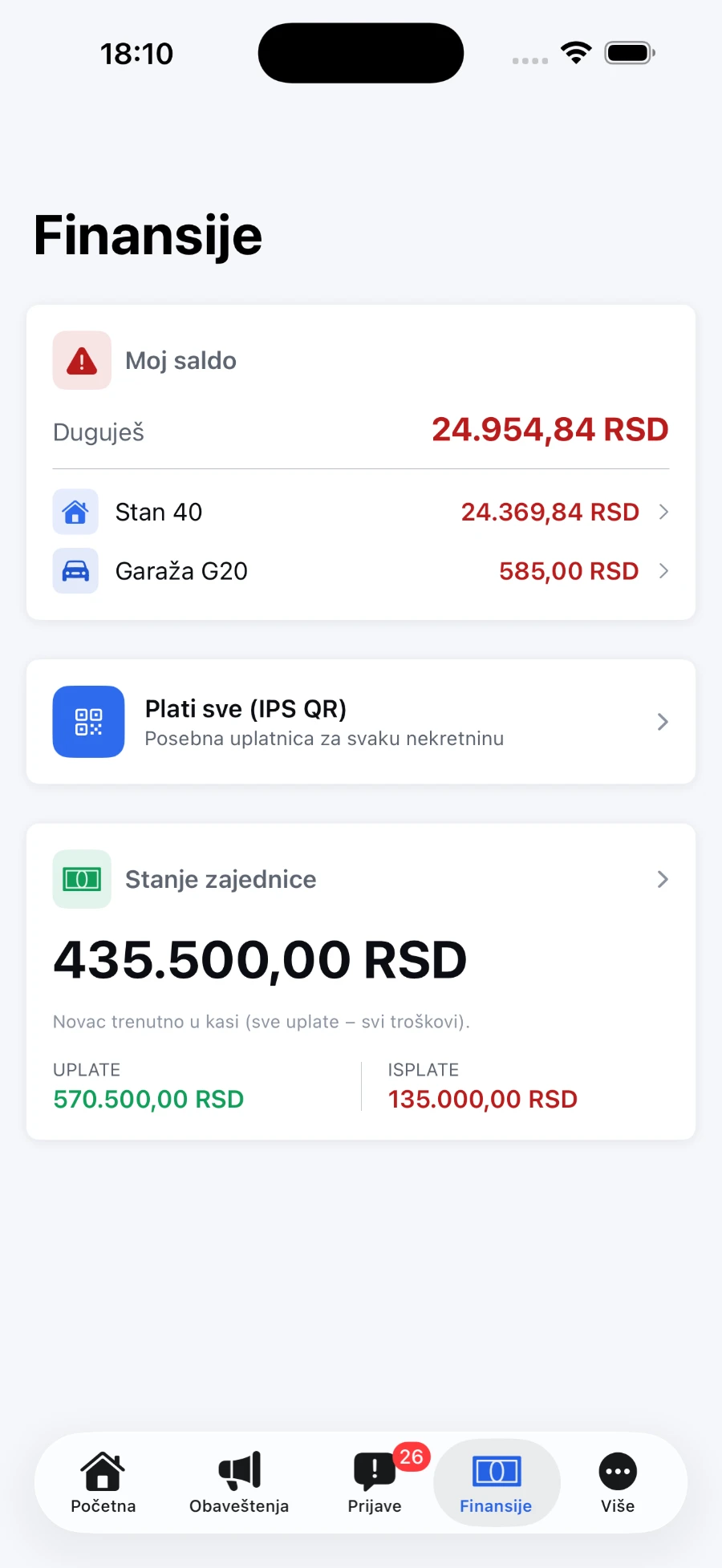
Whoever manages the building, the community’s documents and records should be kept in order and remain available after a change of manager. Assembly decisions, contracts, bills, charges and payments shouldn’t stay only in the personal archive or on the computer of whoever is running the building at the moment.
Keeping records digitally makes handover easier and means a new manager doesn’t have to rebuild the documentation from scratch.